The Thrill of Anticipation
At the heart of casino gambling is the thrill of anticipation, a psychological phenomenon that significantly shapes player behavior. This anticipation drives individuals to engage in games of chance, where the unpredictable nature amplifies excitement. The act of waiting for the outcome of a spin or a card draw elicits dopamine release in the brain, reinforcing the pleasurable experience associated with potential wins. Many players also enjoy platforms like Hi Spin , which enhance the excitement and engagement, creating a cycle of reinforcement that keeps players returning for more, as each moment of suspense builds emotional investment.
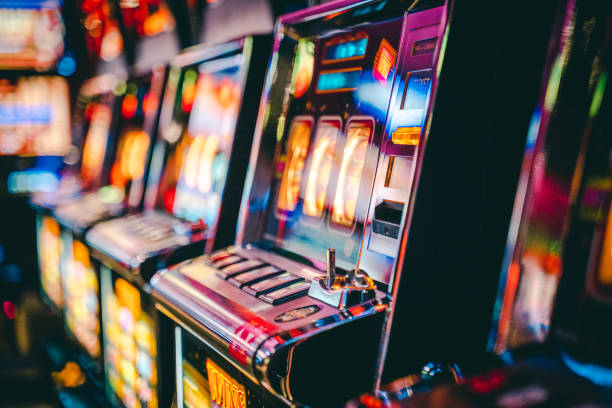
The casino environment itself enhances this anticipation. Bright lights, alluring sounds, and the buzz of activity create a sensory experience that heightens emotional engagement. For many, the prospect of winning big becomes a euphoric escape from daily life, transforming a simple bet into a ritual filled with hope and excitement. This psychological allure can lead to the phenomenon known as the ‘gambler’s fallacy,’ where players mistakenly believe that past events can influence future outcomes, despite the inherent randomness of the games. The excitement of playing is, therefore, intertwined with the psychological need for hope and possibility.
Moreover, the thrill is significantly compounded by the element of risk involved in gambling. The fear of losing heightens the stakes, making the potential reward seem even more enticing. Players often find themselves caught in a cycle of anticipation and excitement, where the highs of potential wins overshadow the realities of losses. It is this complex interplay of emotion and psychology that keeps players returning to the gaming floor, continually seeking those exhilarating highs associated with winning. Whether it’s the chance to hit a jackpot or the simple joy of a small win, the anticipation becomes a driving force in the gambling experience.
The Role of Reward Systems
The psychological impact of reward systems in casino gambling is profound. Casinos meticulously design their gaming experiences to maximize player engagement through the use of variable rewards. This concept, rooted in behavioral psychology, posits that uncertainty in rewards can increase the likelihood of repeated behavior, making players more likely to return in hopes of hitting the jackpot. The sporadic nature of wins reinforces the gambling habit, creating a powerful psychological pull that defines modern gambling strategies.
Loyalty programs further enhance this effect, offering players tangible benefits for their continued engagement. These programs create a sense of belonging and attachment to the casino, which encourages patrons to spend more time and money. The brain’s reward centers respond not only to financial gains but also to the social reinforcement received through these programs, creating a feedback loop that strengthens gambling behavior. Players are not just chasing monetary gains; they are seeking a sense of community and recognition, which can be incredibly fulfilling on a psychological level.
Additionally, the instant gratification provided by slot machines and quick-play games capitalizes on this reward system. Players experience immediate feedback that reinforces their actions, leading to increased gambling frequency. Individuals often find themselves in a cycle where the quest for rewards overshadows the reality of their losses, driving them deeper into the gambling experience. This psychological mechanism not only keeps players engaged but may also lead them to overlook the potential consequences of their gambling habits, making it essential to recognize how these systems are designed to exploit human psychology for maximum engagement.
The Illusion of Control
The illusion of control is a compelling psychological factor in casino gambling, where players convince themselves that they can influence outcomes despite the inherent randomness of the games. This belief is particularly prevalent among regular gamblers, who may engage in superstitious behaviors, such as specific rituals or using lucky charms, in hopes of skewing the odds in their favor. Such behaviors stem from a desire for empowerment in an environment where control is largely absent, providing a false sense of security and agency.
This illusion often leads players to overestimate their chances of winning. For instance, a player might believe that choosing specific numbers in a lottery or selecting a particular slot machine increases their likelihood of success. These beliefs, however, are misleading, as the outcomes of these games are entirely random. Yet, the feeling of being in control can provide comfort and satisfaction, encouraging continued play, even in the face of mounting losses. This mindset can also create a false narrative that success is within reach, further enticing individuals to gamble.
Moreover, the illusion of control can exacerbate financial risks when individuals believe they can recover losses through strategic betting. This mindset can spiral into a dangerous cycle known as ‘chasing losses,’ where players persist in gambling in hopes of reversing their fortunes. Recognizing this psychological trap is vital for maintaining responsible gambling practices and understanding the complex motivations that drive casino activities. Ultimately, awareness of this illusion can help players make more informed decisions and reduce the risk of developing unhealthy gambling behaviors.
The Impact of Social Interaction
Social interaction plays a crucial role in the casino gambling experience, influencing both enjoyment and the psychological impulses that drive individuals to play. The communal atmosphere found in casinos fosters a sense of camaraderie among players, enhancing the overall gambling experience. Engaging with others—whether through friendly banter or shared excitement over a win—adds a social dimension that can make gambling more appealing, turning it into a shared adventure that can amplify the thrill of the game.
Another significant aspect of social influence is the phenomenon of social proof, where individuals are inspired to gamble based on the actions of others. Observing fellow players winning can motivate others to participate, creating a collective excitement that may overshadow rational decision-making. This social environment can lead to increased wagers and riskier behavior, as players become swept up in the thrill of the moment and the shared experience of gambling. The allure of being part of a group can often drive individuals to take risks they might not consider when alone.
Additionally, the allure of social gambling, especially in group settings, can lead to heightened emotional responses. Celebrating wins together or commiserating over losses strengthens bonds among players, creating a shared experience that is hard to resist. However, this social context can also obscure the potential pitfalls of gambling, making it essential for participants to remain aware of their limits and motivations as they engage in this communal activity. Understanding the social dynamics at play can empower individuals to enjoy the social aspects of gambling while remaining vigilant about their gambling behaviors.
Understanding Responsible Gambling
Responsible gambling is a crucial focus for both players and casinos, aimed at fostering awareness and understanding of the psychological aspects of gambling. Casinos can play an essential role in this initiative by providing resources and support for players, encouraging a healthy approach to gambling. Understanding the psychology behind gambling can help players recognize their triggers and develop effective strategies to manage their behavior, ensuring that their gambling activities remain enjoyable and within their limits.
Education is vital in promoting responsible gambling practices. By comprehending the psychological factors at play, individuals can become more aware of their motivations and the potential consequences of their actions. Recognizing signs of problematic gambling behavior allows players to seek help before their habits escalate. This proactive approach can help mitigate risks and ensure a positive experience free from the negative repercussions associated with excessive gambling.
Ultimately, both players and casinos share the responsibility of creating a safe gambling environment. Promoting awareness, providing support, and encouraging open dialogue about the psychological aspects of gambling will contribute to a healthier relationship with casino activities. By understanding the multifaceted interplay between psychology and gambling, participants can enjoy the thrill of the game while maintaining control over their choices and decisions. This balance is essential for fostering a responsible gambling culture that benefits everyone involved.

